



The Science of
Silence
How sound insulation, vibration damping, and acoustic absorption work together to deliver complete noise control.

The Three Challenges of Sound Control
Every acoustic environment faces three distinct problems. Each requires a different engineering solution and different materials.
Airborne Sound
Sound transmitted through the air — voices, music, bass frequencies. Requires high-density mass barriers to block energy from passing between spaces.
Key Metric
Up to 35 dB
Sound Reduction Index (Rw)
Structure-Borne Vibration
Vibrations travelling through walls, floors, and ceilings. Requires mechanical decoupling — isolating structures so vibration energy cannot transfer between elements.
Key Metric
Natural freq <5 Hz
Below audible range
Room Acoustics
Internal reflections creating echo and reverberation. Requires porous absorption materials that convert sound energy into heat, reducing reverb time and improving clarity.
Key Metric
NRC up to 0.95
Noise Reduction Coefficient
Mass-Spring-Mass Principle
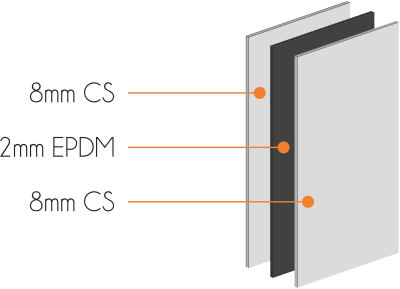
Our core insulation technology relies on the Mass-Spring-Mass physical law. By sandwiching a viscoelastic EPDM damping layer (the spring) between high-density boards (the mass), we effectively decouple the structure and prevent sound transmission.
When sound waves hit the first mass layer, they cause vibration. As this energy travels through the EPDM damping core, it is converted into minute amounts of heat energy through shear deformation — significantly reducing the energy that reaches the second mass layer.
- Dissimilar Mass Layers
Different board materials prevent resonance coupling
- EPDM Damping Core
Viscoelastic rubber converts vibration to heat
- Energy-to-Heat Conversion
Sound energy is dissipated, not reflected or transmitted
"Every layer has a purpose. Every material is chosen for its acoustic contribution."
Three Boards, Three Configurations
Each board combines different mass layers with EPDM damping for specific performance characteristics.
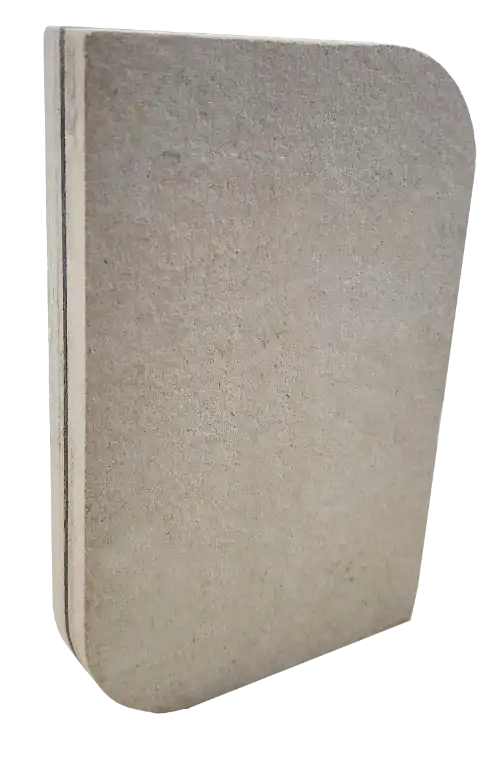
SG-E17
Composite Sound Insulation Board
CS + EPDM + CS
Thickness
18mm
Reduction
33 dB
Weight
35 kg
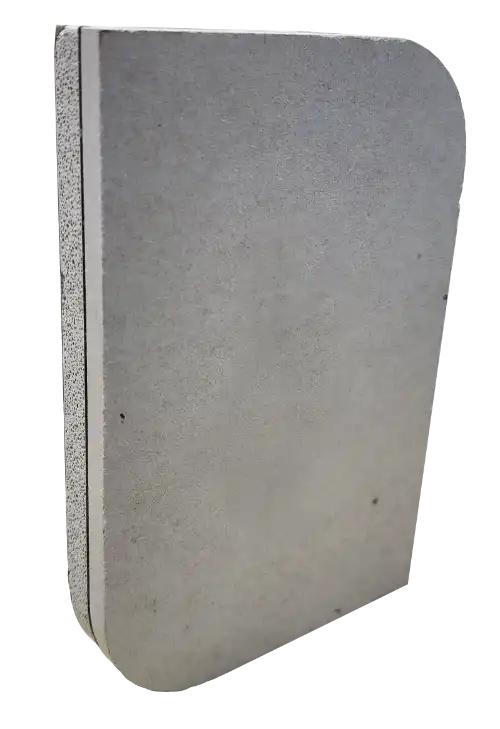
SG-C10
Composite Sound Insulation Board
MGO + EPDM + FFB
Thickness
16mm
Reduction
32 dB
Weight
25 kg
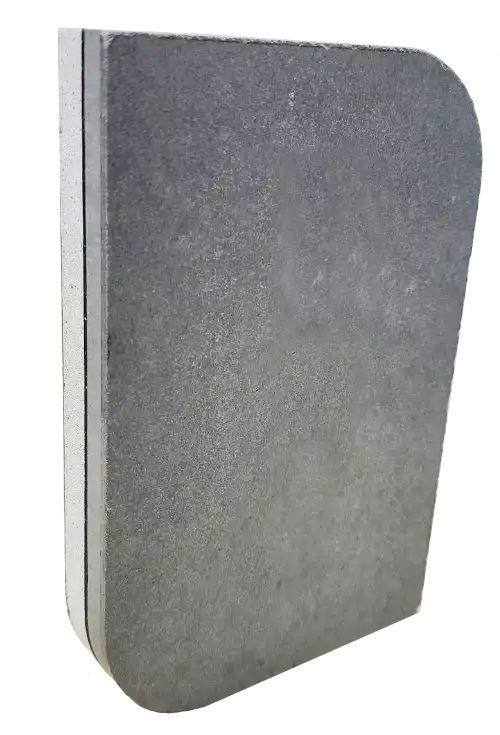
SG-CN10
Composite Sound Insulation Board
Silicone + EPDM + CFB
Thickness
18mm
Reduction
35 dB
Weight
32 kg
Performance Charts
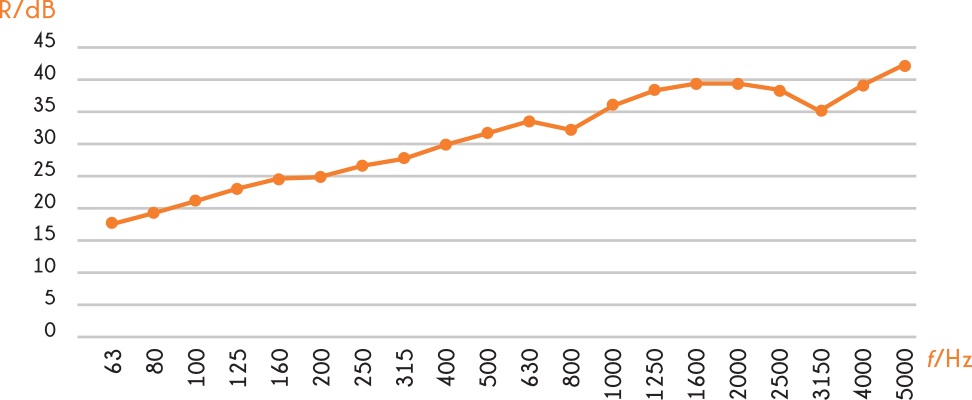
SG-E17
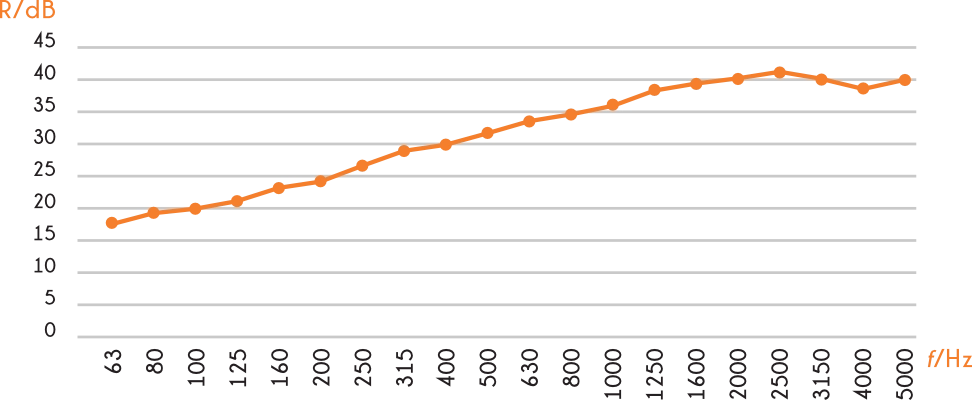
SG-C10
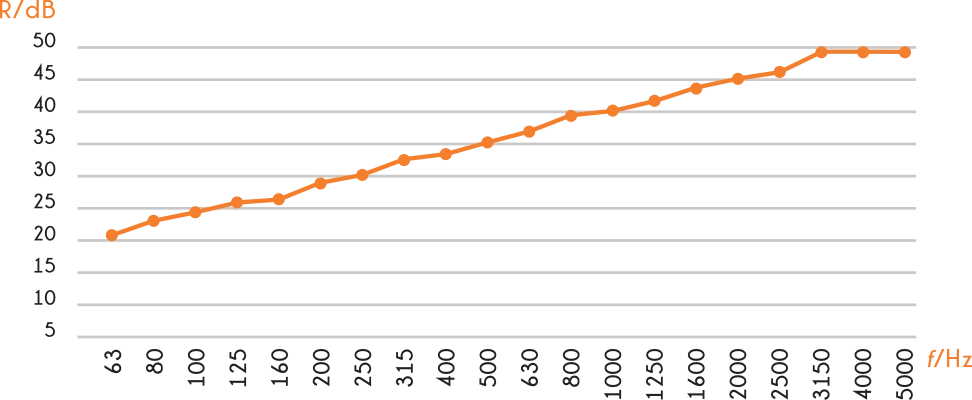
SG-CN10

Sound Damping
Mechanical Decoupling
Vibration Isolation Principle
Structure-borne vibration is the most challenging acoustic problem. When bass frequencies cause walls, floors, and ceilings to vibrate, the entire building structure becomes a speaker — transmitting noise to every connected room.
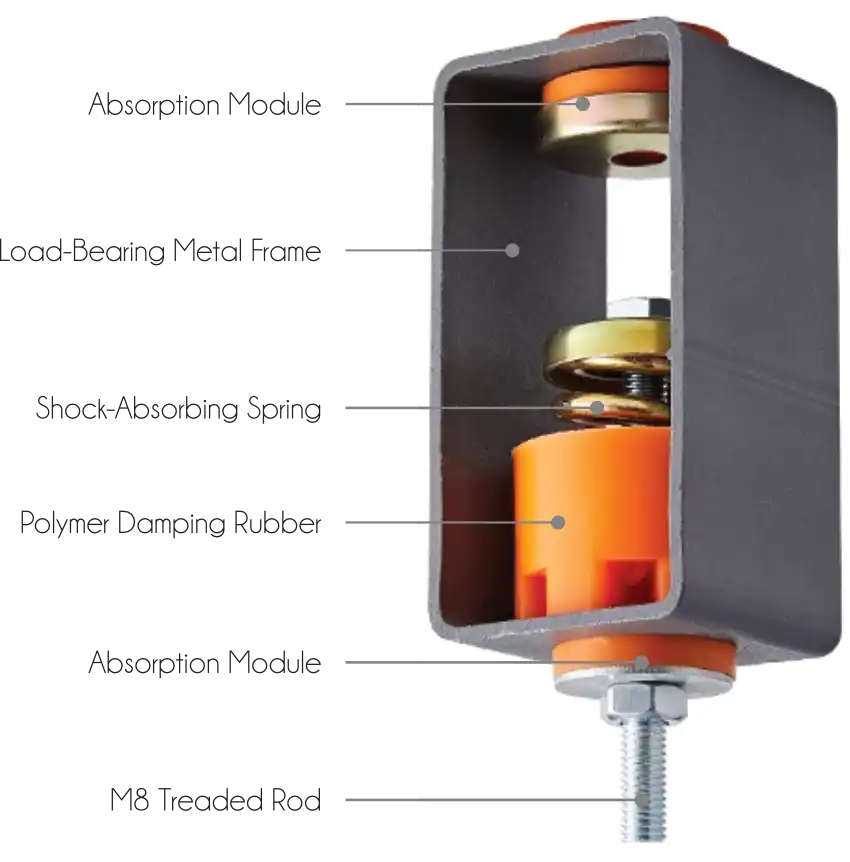
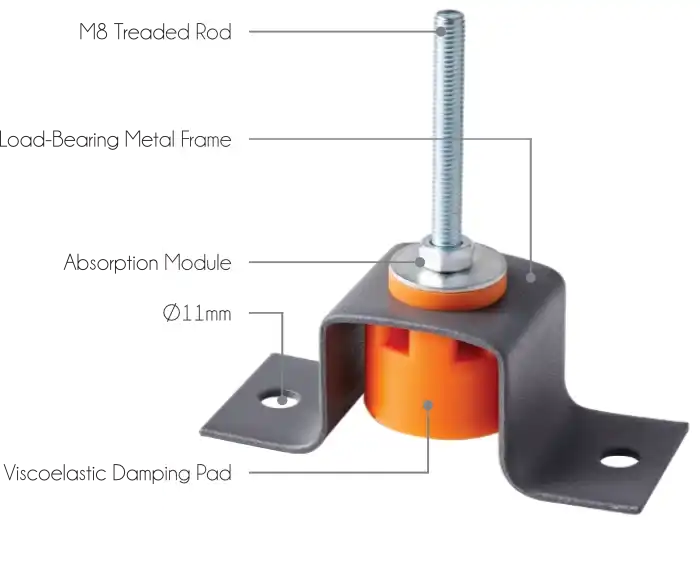
Our damping products use mechanical decoupling — physically isolating one structural element from another using spring-loaded and viscoelastic components. This breaks the vibration path, achieving natural frequencies below 5 Hz — well below the audible range.
- Spring isolation for ceilings, walls, and floors
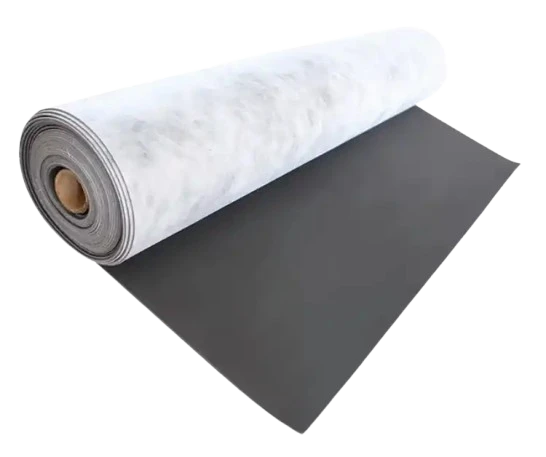
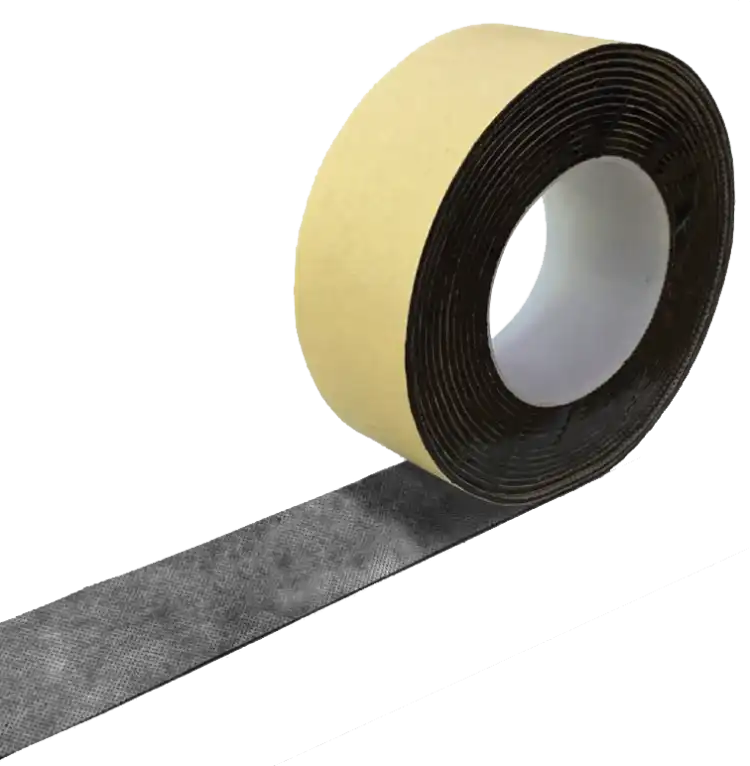
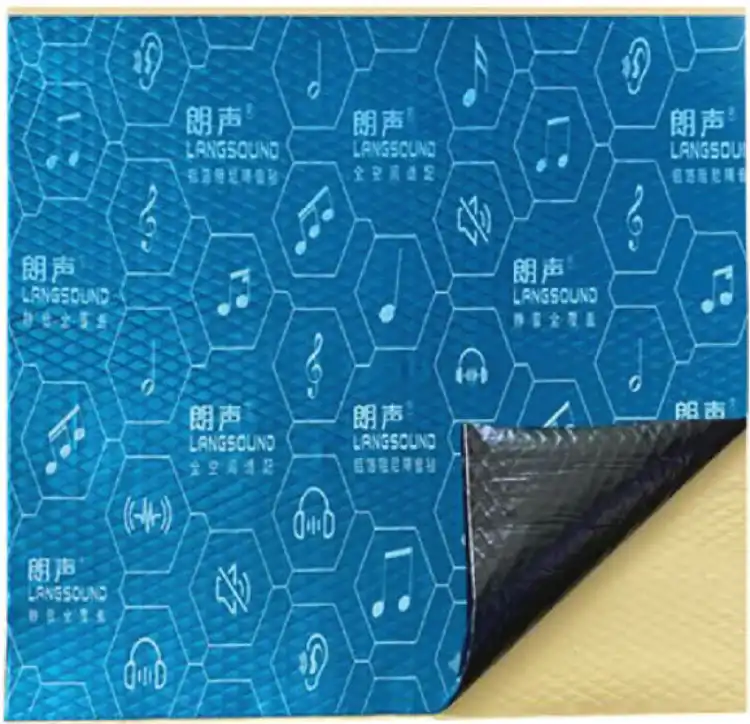
- Viscoelastic mats for surface-level damping
- Speaker pads to isolate subwoofer vibration
Structural Isolation
Spring-loaded shock dampers — one for each building surface
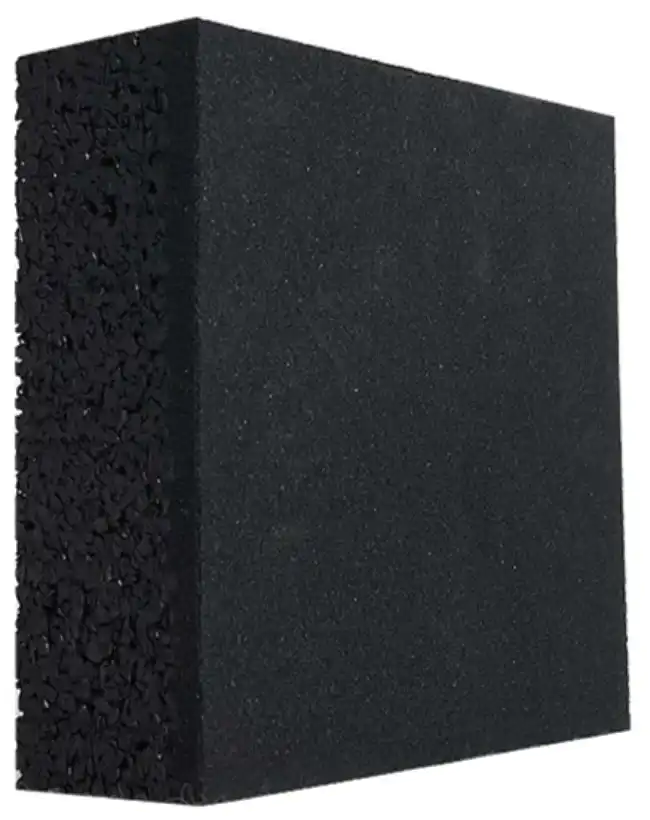
Surface Damping Materials
Viscoelastic mats and strips applied to walls, ceilings, and metal stud connections
Speaker Isolation
Spring-loaded pads to isolate subwoofer bass vibration from the structure
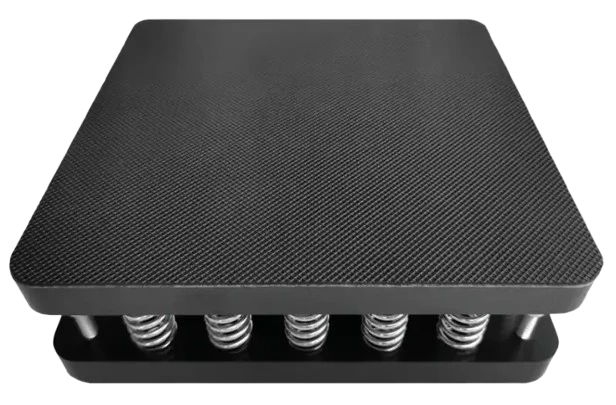
SG-SD10
Subwoofer Damping Pad (Medium)
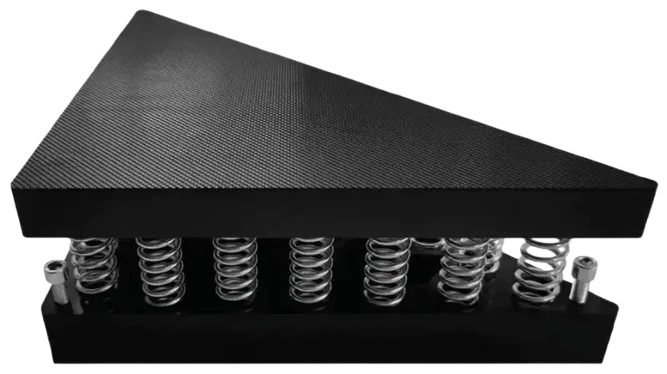
SG-SD27
Subwoofer Damping Pad (Large)
Porous Fibre Absorption
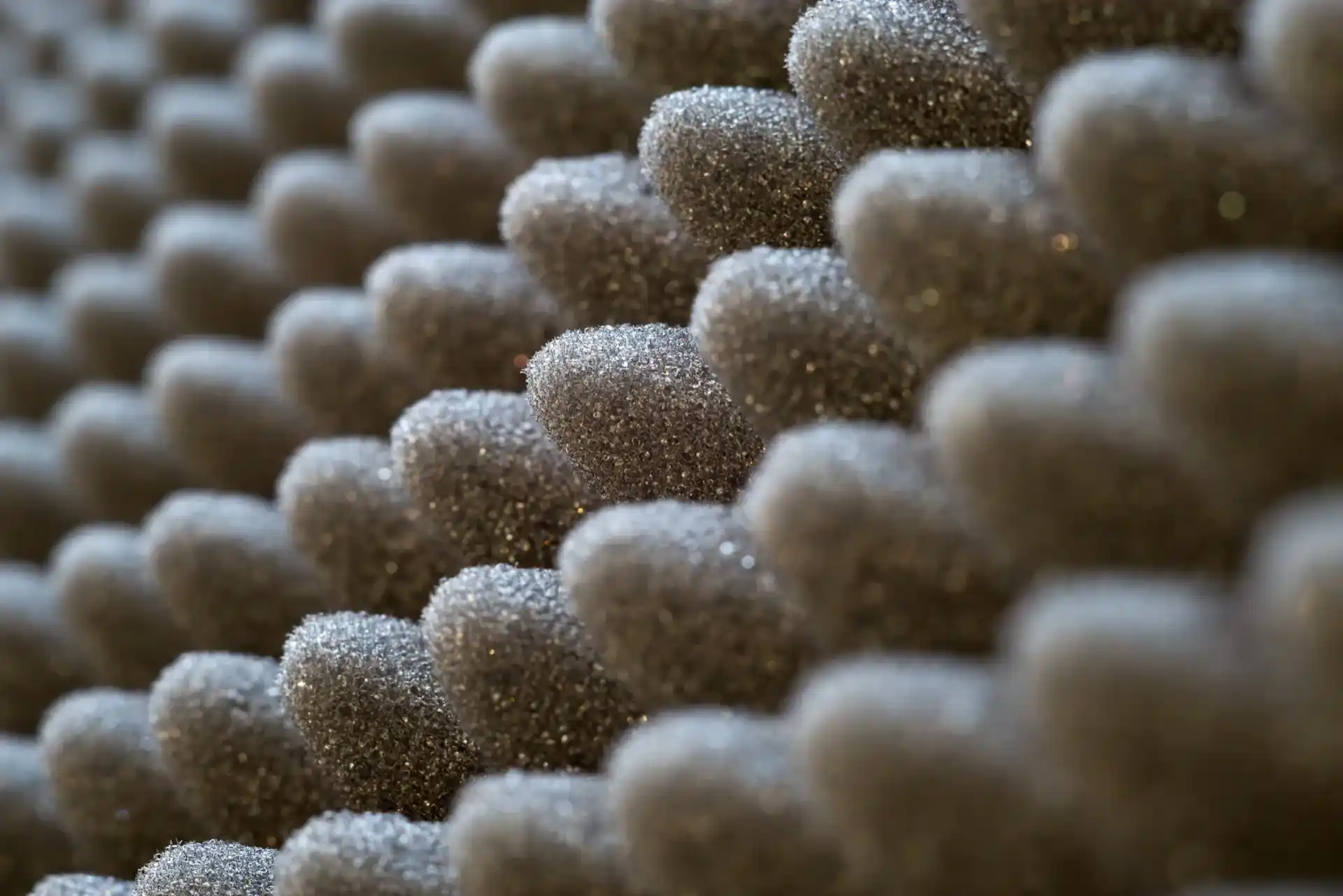
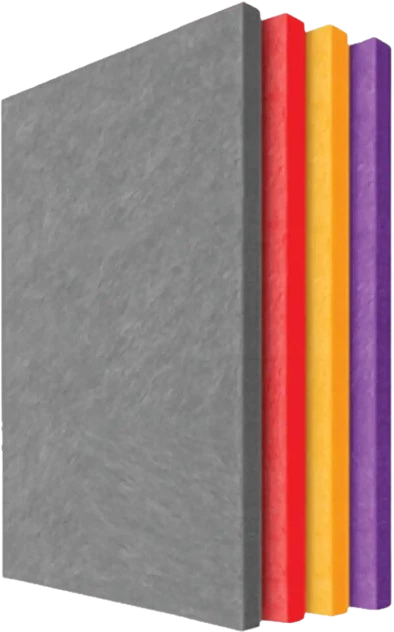
When sound enters a room, it bounces off hard surfaces creating echo and reverberation. Absorption panels solve this by converting reflected sound energy into heat through friction within a porous fibre network.
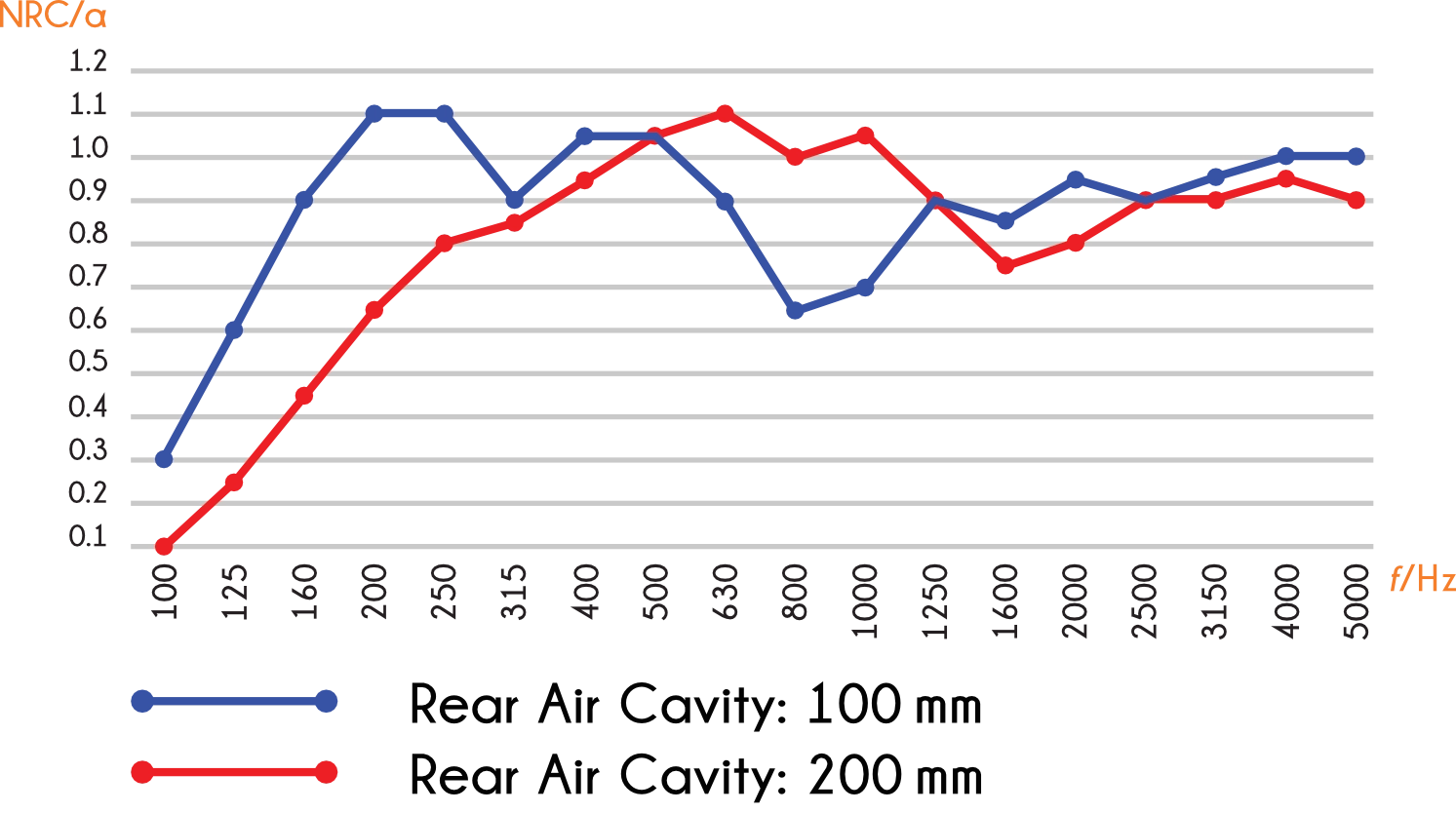
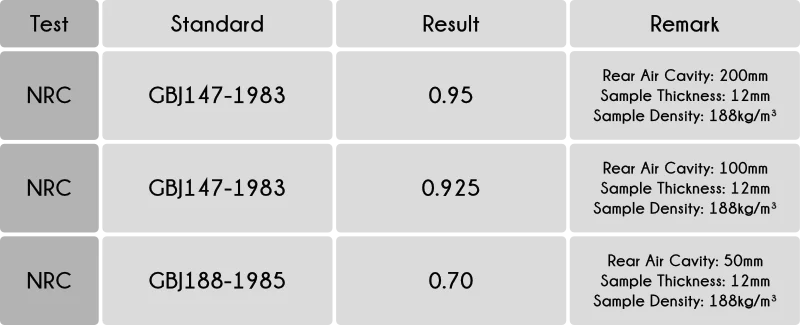
The Noise Reduction Coefficient (NRC) measures how effectively a material absorbs sound. An NRC of 1.0 means total absorption; 0.0 means total reflection. Our AcousPanel achieves NRC ratings of 0.70 to 0.95, making it highly effective across mid-to-high-frequency ranges.
- Reduces reverb time for speech intelligibility
- Improves musical clarity in performance spaces
- Higher NRC with rear air cavity (100mm–200mm)
AcousPanel Features
High-density polyester (PET) fibre — engineered for acoustic performance and design flexibility.
0.70–0.95
NRC Rating
48
Colour Options
0%
Formaldehyde
Easy Install
NRC Test Results
Panel Cutting Configurations

From Individual Components to
Complete Acoustic Systems
Five Steps to Total Noise Control
A complete acoustic solution combines all three principles in the correct sequence.
See detailed layer-by-layer assembly specifications for ceiling, wall, and floor systems.
Installation Guide →Choose the Right Product
Compare insulation boards and find the right product combination for your application.
Insulation Board Comparison
| Specification | SG-E17 | SG-C10 | SG-CN10 |
|---|---|---|---|
| Configuration | CS + EPDM + CS | MGO + EPDM + FFB | Silicone + EPDM + CFB |
| Thickness | 18mm | 16mm | 18mm |
| Weight | 35 kg | 25 kg | 32 kg |
| Sound Reduction | 33 dB (Rw) | 32 dB (Rw) | 35 dB (Rw) |
| Fire Rating | Class A | Class A | Class A |
| Best For | Heavy-duty commercial venues | Weight-sensitive installations | Maximum sound reduction |
Application Matrix
| Application | Insulation | Damping | Absorption | Sealant |
|---|---|---|---|---|
| Recording Studio | SG-E17 / SG-CN10 | CD50 + WD50 + FD150 | AcousPanel | SG-AS65 |
| KTV / Karaoke | SG-E17 / SG-C10 | CD50 + WD50 | AcousPanel | SG-AS65 |
| Cinema / Theater | SG-CN10 | CD50 + WD50 + SD10/SD27 | AcousPanel | SG-AS65 |
| Hotel / Residential | SG-C10 | WD50 + DM452 | AcousPanel | SG-AS65 |
| Home Theater | SG-E17 | CD50 + WD50 + SD10 | AcousPanel | SG-AS65 |
The Final Seal
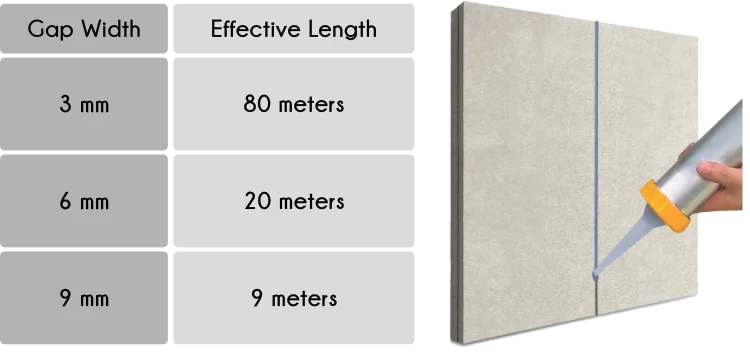
Even the best insulation system fails if gaps remain. Sound travels through the path of least resistance — a 1% gap in coverage can transmit up to 50% of sound energy. Acoustic sealant closes every joint, edge, and penetration point to ensure the system performs as designed.
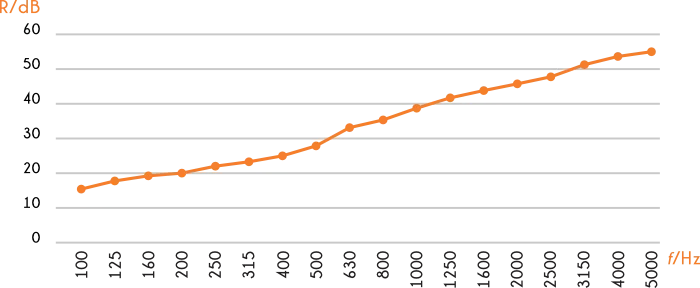
SG-AS65 is a permanently flexible, non-hardening sealant rated at 32 dB. It maintains its seal through building movement and temperature changes, with an operating range of -40°C to 150°C.
View SG-AS65 →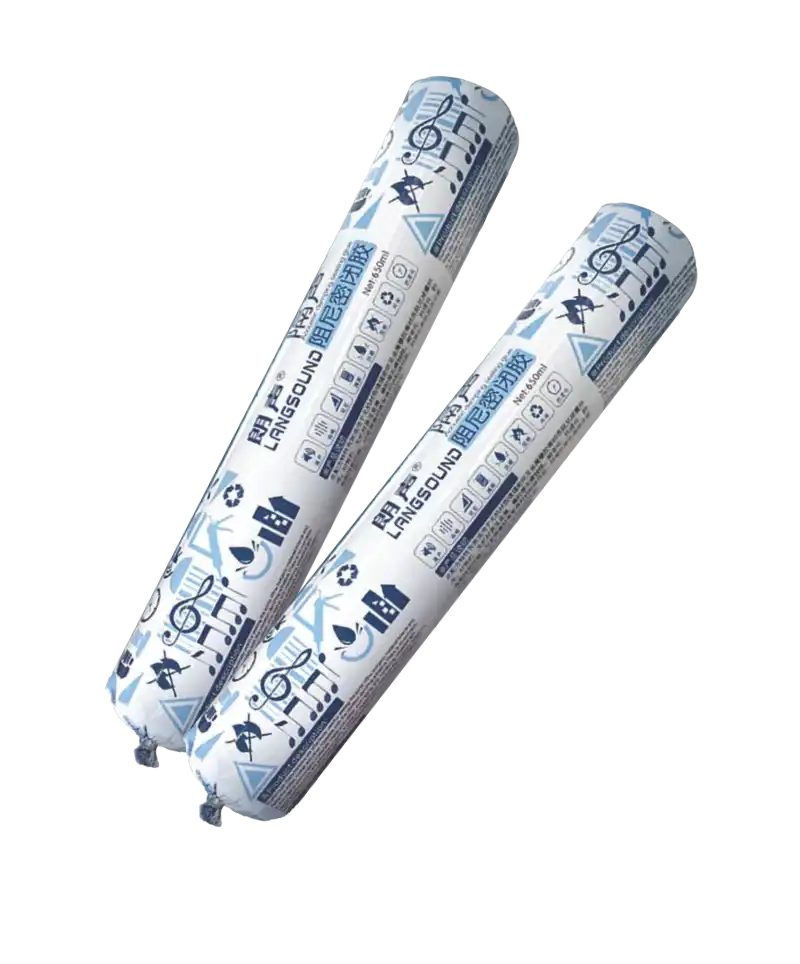

Ready to Engineer Your
Acoustic Solution?
Our technical team can help you select the right combination of products for your specific application and performance requirements.